

Traffic is coming in. Maybe from a blog, a search ad, or even a product mention. But that’s not enough if the visitors aren’t moving forward.
In the previous part of this series, we talked about the Awareness and Consideration stages. Now it’s time to complete the journey.
This post covers the final two marketing funnel stages: Conversion and Loyalty, where intent becomes action and one-time buyers become long-term supporters.
A Marketing Funnel: Quick Recap
The marketing funnel stages shows how people move from finding you to trusting you to buying from you. It starts wide, narrows down, and gives structure to every stage of the customer journey.
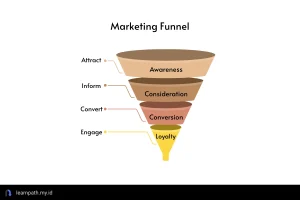
We explored the importance of marketing funnel, the Awareness, and the Consideration stage in Part 1. Now, let’s look at what happens when someone is almost ready to take action.
What Happens at the Bottom of the Funnel
A campaign might bring someone in. But unless there’s a strategy to support that interest, they’ll likely bounce.
Here comes the Conversion and Loyalty stages to remove friction, build trust, and deliver an experience that makes customers say, “I’m coming back.”
If you’re running SEO, ads, or content, this is where strategy becomes results.
Conversion Stage: Turning Visits into Sales
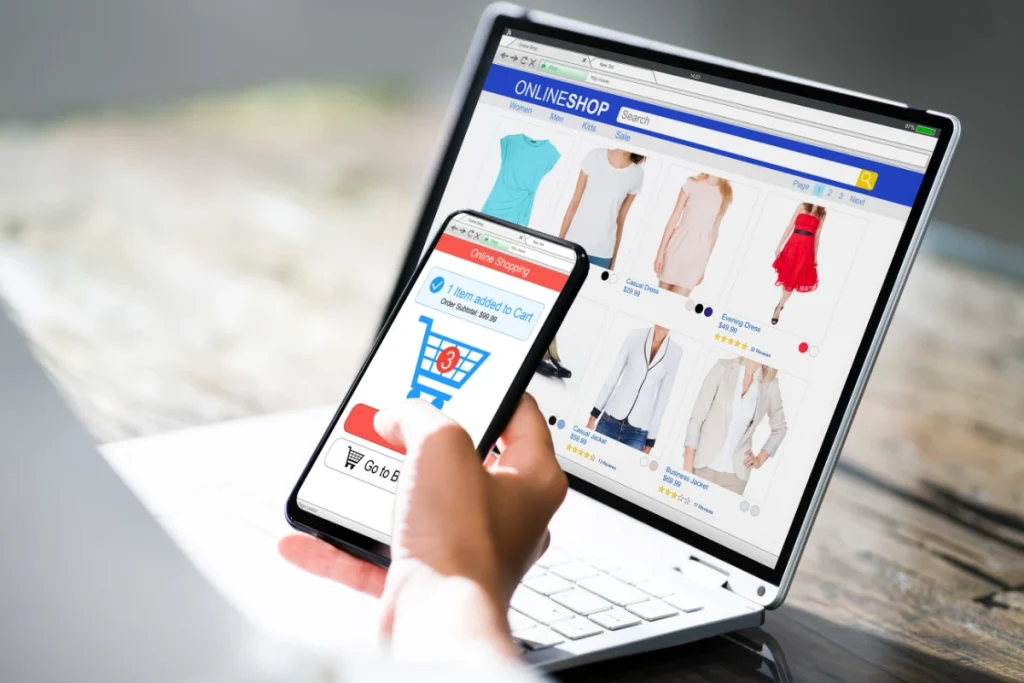
At this point, people know your brand and have shown interest. They might even have something in their cart. But interest isn’t action yet.
The conversion stage is where you guide them to place an order, sign up, or book a call.
Why Conversions Stall
Even small issues can stop someone from buying, such as:
- Checkout takes too long
- Product details are unclear
- The site loads slowly
- There’s no urgency or trust
That’s why optimizing for conversion is about removing doubt, not pushing harder.
Conversion Strategies That Work
| Strategy | What to Do |
|---|---|
| Streamline Checkout | Make it fast and simple. Cut extra fields, offer guest checkout, and add flexible payment. |
| Improve Product Photos | Use quality images from all angles and add lifestyle shots to show the product in use. |
| Write Persuasive Copy | Show benefits. Explain how the product fits into their life and answers their needs. |
| Live Chat or Smart Bots | Offer real-time help for common questions. A quick answer can turn hesitation into action. |
| Recover Abandoned Carts | Use email reminders and retargeting ads. Make sure the checkout flow isn’t causing drop-offs. |
| Speed Up Your Site | A one-second delay can hurt sales. Compress images, reduce scripts, and keep things fast. |
| Test, Then Test Again | Run A/B tests on layouts, headlines, or buttons, changing one element at a time to see what works. |
Small tweaks can make a big difference. A 1% boost in conversions might sound small, but across hundreds or thousands of visitors, it adds up fast.
Real-World Example: Forma Studio
Forma Studio noticed lots of people were visiting product pages but not checking out. They made a few key changes:
- Simplified their checkout.
- Replaced “Add to Cart” with “Buy Now”.
- Added lifestyle photos with real work-from-home setups.
- Sent cart recovery emails with a small discount.
- A/B tested product page layouts.
Result? A 0.9% conversion rate increase and a jump in monthly revenue.
Loyalty Stage: Keep Customers Coming Back

They’ve made a purchase. Great. Now what?
The loyalty stage is where you stop chasing new traffic and start building lasting relationships. Loyal customers buy more, share more, and cost less to retain than new ones.
You don’t need a huge budget to do this, just a consistent effort to stay useful, relevant, and human.
Loyalty Strategies That Build Brand Advocates
| Strategy | What to Do |
|---|---|
| Start a Rewards Program | Give points or perks for repeat purchases, referrals, or social shares. |
| Keep Emails Valuable | Not just discounts, share product tips, brand stories, or how-to content. |
| Feature Your Customers | Repost customer photos or reviews on social media. Spotlight your fans. |
| Smart Remarketing | Suggest related products based on past purchases. |
| Ask for Reviews | Send a follow-up asking for feedback. It builds trust and connection. |
| Include a Freebie | Add stickers, notes, or guides to orders for a small but meaningful surprise. |
| Celebrate Milestones | Send a discount on birthdays or purchase anniversaries. |
| Make Post-Purchase Fun | Turn order confirmation emails into moments of joy. Add brand personality and a next step. |
Real-World Example: Forma Studio
After improving conversions, Forma Studio turned its focus to loyalty:
- Launched a low-key rewards program.
- Included stickers and care guides with every order.
- Encouraged Instagram shares and ran monthly giveaways.
- Sent product suggestions based on past purchases.
These small efforts led to a noticeable increase in repeat buyers and user-generated content.
Bringing It All Together
The bottom of the funnel is where growth happens.
Conversion turns visitors into customers. Loyalty turns customers into brand advocates. Both are essential for a sustainable strategy, especially if you want your SEO and content to work harder.
If you missed the first half of the marketing funnel stages, check out Part 1 below to learn how to attract the right audience and spark interest.
Source:
Based on insights from the Digital Marketing & E-commerce course by Google.
Leave a Reply to A Marketing Funnel: Stages & Examples to Build Interest Cancel reply