

Traffic is coming in
Sales aren’t following
If people are engaging but not buying, there’s likely a gap in how you’re guiding them. That’s where the conversion funnel comes in.
You may hear different terms like “conversion funnel” or “marketing funnel” used interchangeably and that’s okay. These terms all describe the same journey: moving someone from awareness to action.
Among the most common conversion funnel frameworks, the ToFu, MoFu, and BoFu stands out for its simplicity. In this article, we’ll break it down and show a powerful way to align your marketing with how real people actually buy.
Why Are There So Many Funnel Models?
Marketers use different frameworks to visualize this journey. All are valid. It’s about what fits your strategy best.
Here are three popular ones:
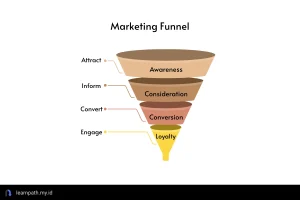
- Granular Marketing Funnel: We covered this in a previous article. Great for brand building across the customer lifecycle.
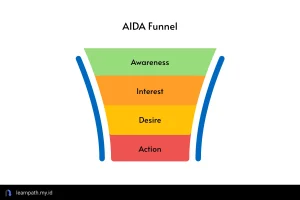
- AIDA Funnel: A psychological approach used widely in advertising and sales copy.
- ToFu, MoFu, and BoFu Funnel: A simplified, content-driven model ideal for digital marketing.
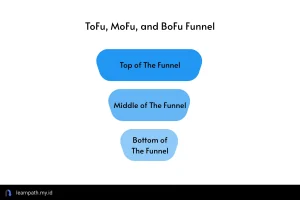
Let’s walk through the ToFu, MoFu, and BoFu funnel to discover what each stage does and what content gets results.
1. ToFu (Top of Funnel): Get Discovered
People at this stage don’t know who you are. They’re here not shopping, but learning.
They might be Googling a question, scrolling through social media, or reading up on a topic. Your goal is to be there when they look and leave a strong first impression.
ToFu Marketing Tactics
| Tactic | What It Does |
|---|---|
| SEO | Gets you found through organic search. |
| Paid Social Campaigns | Reaches cold audiences with scroll-stopping content. |
| Digital PR | Builds visibility on trusted platforms and communities. |
| Influencer Outreach | Taps into engaged, trust-based followings. |
ToFu Content Types
| Content Type | Why It Works |
|---|---|
| Blog Posts | Answer common questions and build topical authority. |
| Short Videos | Engage users on platforms like Instagram Reels or TikTok. |
| Podcasts/Webinars | Build voice, values, and brand credibility. |
| E-books & Guides | Provide in-depth value (great for lead capture). |
| Infographics | Make data digestible and shareable. |
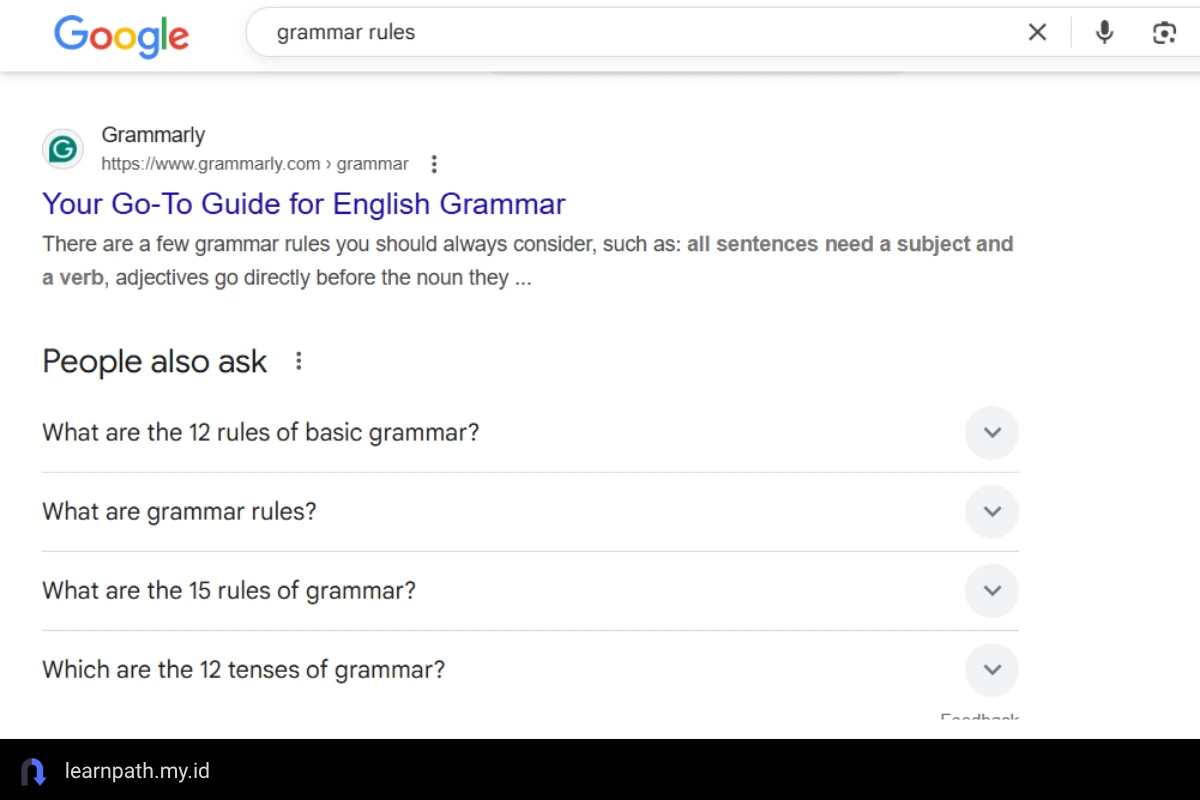
Example: Grammarly’s ToFu Play
Grammarly ranks for terms like “grammar rules.” These educational blogs pull in organic traffic from people who aren’t yet seeking a grammar tool, but leave more curious than they came.
ToFu Metrics to Track
- Website traffic (unique visitors).
- Organic keyword rankings.
- Social media reach and engagement.
- Content downloads (e.g., guides, lead magnets)
2. MoFu (Middle of Funnel): Build Trust
At this stage, your audience is evaluating options. They’re comparing products, reading reviews, asking questions. Your job is to nurture their interest and show why you’re worth their time (and money).
MoFu Marketing Tactics
| Tactic | What It Does |
|---|---|
| Email Nurturing | Keeps leads engaged through personalized sequences. |
| Online Classes / Webinars | Builds trust through value-driven education. |
| Interactive Tools | Adds relevance with personalized experiences (e.g., quizzes, calculators). |
| Free Trials & Demos | Reduces risk and shows product fit firsthand. |
MoFu Content Types
| Content Type | Why It Works |
|---|---|
| Product Comparisons | Helps leads understand how you stack up. |
| Whitepapers & Reports | Offers deep data and thought leadership. |
| Demo Videos | Shows real product usage and outcomes. |
| Automated Email Series | Builds trust through storytelling, tips, and feature highlights. |
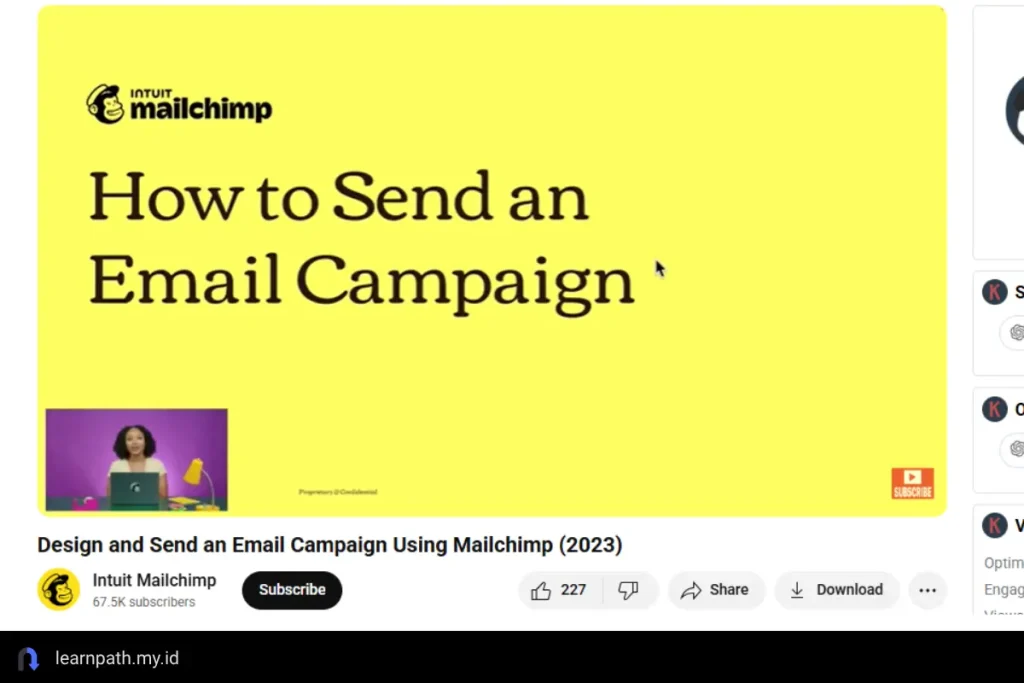
Example: Mailchimp’s MoFu Strategy
A YouTube video to show users exactly how to launch their first campaign. It’s great for nurturing those on a free plan or new signups considering upgrades.
MoFu Metrics to Track
- Email open/click-through rates.
- Free trial signups.
- Webinar or class attendance.
- Time spent on comparison pages.
3. BoFu (Bottom of Funnel): Drive the Decision
At this point, they’re close, but doubts creep in. They might be questioning pricing, value, or whether now’s the right time.
Is it worth it? Is this the best option? The BoFu stage tackles those final objections and helps leads cross the finish line with clarity and confidence.
BoFu Marketing Tactics
| Tactic | What It Does |
|---|---|
| Limited-Time Offers | Creates urgency and boosts decision-making. |
| Live Demos or Sales Calls | Resolves objections in real time. |
| Customer Reviews | Provides relatable proof from real users. |
| Retargeting Ads | Brings back high-intent visitors who didn’t convert. |
| Support Tools | Chat, FAQs, or money-back guarantees to reduce buying risk. |
BoFu Content Types
| Content Type | Why It Works |
|---|---|
| Discount Codes | Helps push hesitant buyers across the line. |
| Case Studies | Proves ROI and builds confidence. |
| FAQ Pages | Clarifies last-minute objections. |
| Competitive Breakdowns | Shows clear advantages over alternatives. |
| Exit Offers | Re-engages abandoning users with limited deals. |
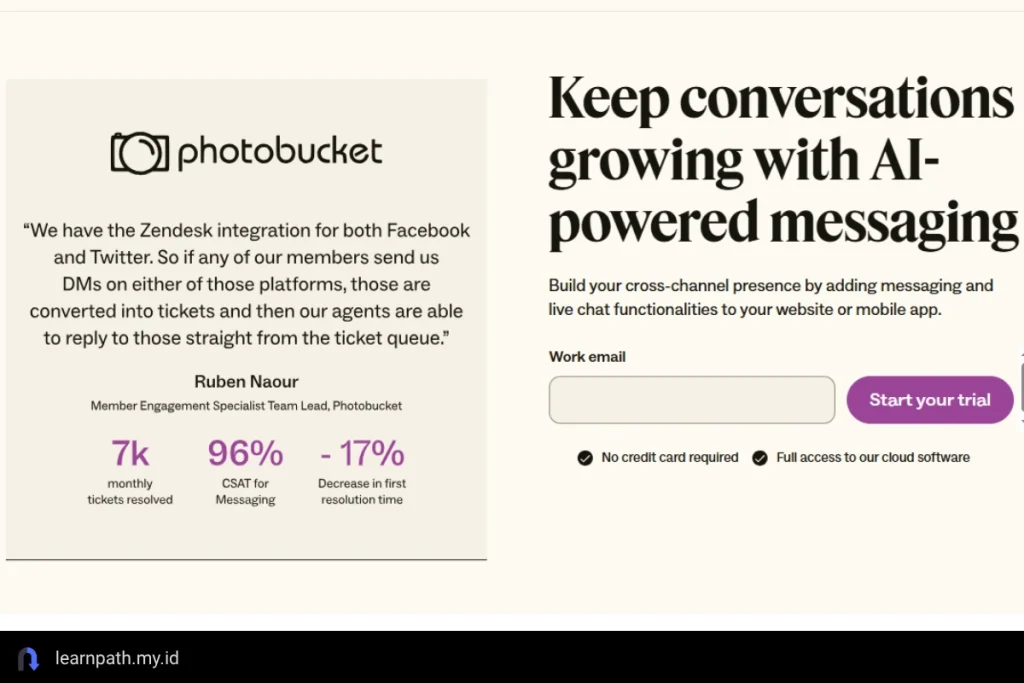
Example: Zendesk’s BoFu Approach
Zendesk features real customer results alongside a strong CTA. It combines social proof with clear product benefits to ease hesitation and drive conversions.
BoFu Metrics to Track
- Purchase conversion rate.
- Cost per acquisition (CPA).
- Trial-to-paid conversion rate.
- Return on ad spend (ROAS).
Don’t Just Build Content, Build Progress
Each part of the funnel is a chance to connect, solve, and convert. Without structure, you’re guessing. With the ToFu, MoFu, and BoFu model, you’re guiding people intentionally.
Here’s the simplified map:
ToFu – Be discoverable
MoFu – Be trustworthy
BoFu – Be persuasive
Want your content to move with purpose at every stage? Stay tuned for our upcoming post on how Google actually ranks websites or explore our Marketing Funnel Strategy series for real-world examples.
Source:
Based on insights from the conversion funnel post by Miro, Semrush, and ConstantContact.
Leave a Reply